Introduction
Private label specialty foods have ended up being significantly popular in the retail sector. With consumers seeking one-of-a-kind and premium items, personal label foods use a tasty remedy that pleases their taste buds and satisfies their expectations. In this short article, we will check out the world of exclusive label foods, from their manufacturing to their influence on both merchants and consumers.
The Increase of Private Label Food Manufacturers Australia
Private tag food makers in Australia have actually experienced substantial growth in recent times. These manufacturers specialize in creating private label food that satisfy the certain needs and preferences of sellers and consumers. With a concentrate on quality and advancement, they have sculpted a niche on their own in the competitive food industry.
Benefits of Private Label Food Products
Private tag food offer numerous benefits for both stores and customers. Allow's take a more detailed consider a few of these benefits:
1. Quality Control
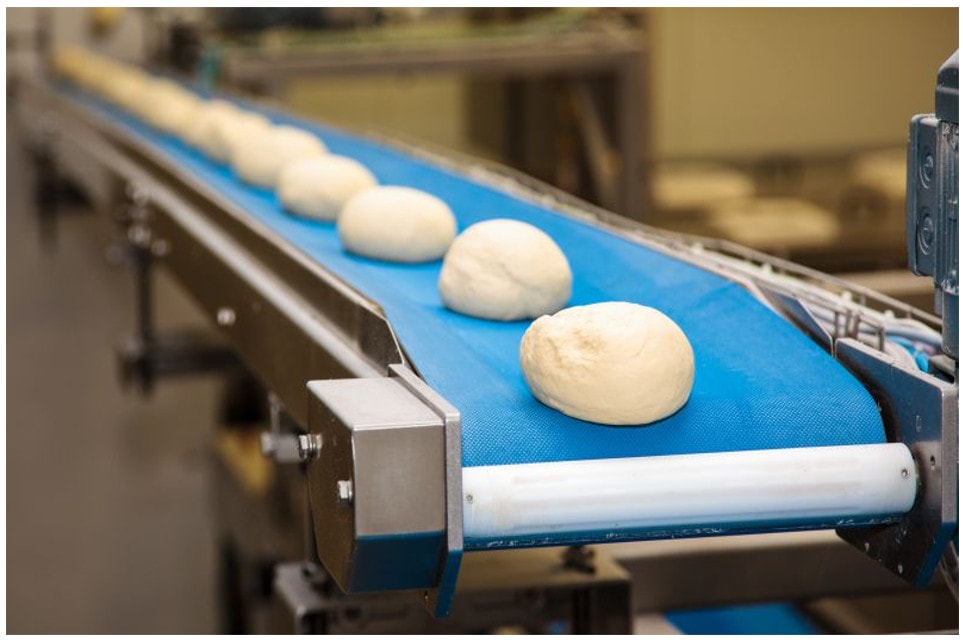
One of the significant advantages of private label food products is the control over high quality. Stores can meat manufacturers work closely with private label food manufacturers to make sure that the items satisfy their desired standards. This enables merchants to provide premium items that straighten with their brand image.
2. Customization
Private tag food production permits stores to tailor their items according to their target audience's preferences. Whether it's developing distinct tastes or catering to specific nutritional requirements, personal tag foods offer flexibility in item development.

3. Competitive Pricing
Retailers can take advantage of competitive rates by opting for exclusive label foods. Given that there are no middlemen entailed, the cost savings can be handed down to customers, making these items a lot more budget friendly contrasted to nationwide brands.
4. Brand name Differentiation
Private tag foods assist merchants separate themselves from competitors by offering unique products not discovered elsewhere. This exclusivity produces a sense of commitment among consumers that actively seek out these specialized items.
5. Enhanced Revenue Margins
Private label foodstuff usually have higher profit margins for stores contrasted to national brands. With control over the entire manufacturing process, merchants can optimize expenses and maximize their profits.
The Refine of Private Label Food Manufacturing
Private tag food manufacturing entails a number of key steps that ensure the manufacturing of high-quality products. Let's delve into the procedure:
1. R & D (R&D)
The R&D stage is critical secretive label food production. It entails marketing research to determine customer patterns, preferences, and choices. Makers work very closely with merchants to create product principles that align with their brand and target market.
2. Recipe Formulation
Once the principle is wrapped up, manufacturers carry on to dish formula. This step includes producing an unique blend of components and flavors that satisfy the desired preference profile. Makers may likewise take into consideration integrating LSI search phrases such as "private label specialized foods" and "private label food suppliers Australia" to enhance internet search engine optimization.
3. Testing and Quality Assurance
Before mass production begins, manufacturers conduct extensive testing and quality assurance checks. This makes sure that the items meet all safety and top quality requirements established by regulative bodies. Private label food manufacturers focus on consumer fulfillment by supplying products that are secure, delicious, and consistent.
4. Packaging Design
Packaging plays a critical function secretive label food products' success. Manufacturers collaborate with merchants to make packaging that reflects the brand's worths and appeals to consumers. Eye-catching styles integrated with informative tags assist attract attention on shop shelves.
5. Manufacturing and Distribution
Once the packaging style is accepted, producers begin manufacturing widespread. They adhere to stringent manufacturing methods to preserve uniformity in preference, texture, and general item quality.
Distribution of private tag foods is done through various channels like grocery stores, on the internet systems, or specialized shops. Merchants play a crucial role in guaranteeing these products reach their target audience effectively.
FAQs concerning Private Label Foods
What are private label foods? Personal label foods are items that are made by a company offer for sale under a retailer's brand name. These items provide one-of-a-kind tastes and customization options.
How can sellers take advantage of private label food manufacturing? Stores can gain from private label food manufacturing by providing unique items, regulating high quality, and enjoying greater earnings margins.
Are private label food of premium quality? Yes, private label food producers focus on quality assurance to guarantee that their items satisfy the desired criteria set by retailers.
Can merchants customize private label food? Yes, merchants have the versatility to tailor private label foodstuff according to their target audience's preferences.
Are private label foods a lot more cost effective compared to nationwide brand names? Yes, exclusive label foods are typically priced competitively, making them more budget friendly for consumers.
Where can consumers find private label food? Private label foodstuff are readily available in numerous retail electrical outlets such as supermarkets, on-line systems, and specialty stores.
Conclusion
Private tag foods have transformed the retail sector by supplying a delicious remedy for both stores and consumers. With their concentrate on quality control, personalization alternatives, and affordable rates, these specialty products provide a special experience that sets them in addition to nationwide brands. Retailers can utilize the benefits of private label food production to differentiate themselves and boost their profit margins. Customers, on the various other hand, can appreciate high-grade products customized to their preferences. As the demand for unique and flavorful food expands, private label foods continue to flourish in the marketplace, satisfying the progressing preferences of consumers.